STAY IN THE KNOW
Keep up with all the latest Ramble news, delivered to your inbox.
* indicates required fields


The Texas dream often includes a home to call your own, a place to put down roots, and create lasting memories. But as you start your journey, you’ll face a fundamental question: should you buy an existing home or build a new one? It’s a classic debate, and the right answer depends entirely on your priorities, budget, and vision for the future.
When it comes to the “building vs. buying a house” debate, cost is often the first thing on everyone’s mind. The honest answer to whether it’s cheaper to build or buy a house in Texas is: it depends.
Market conditions in areas like North Texas, the specific location you choose, and the level of personalization you desire all play a significant role. An older home in an established neighborhood might have a lower sticker price, but a new build could save you money on utilities and repairs down the road. Let’s break down both sides of the equation.
The cost of an existing home in Texas is a moving target, influenced by a variety of factors. The Dallas-Fort Worth metroplex, for instance, is a dynamic market where prices can vary significantly from one neighborhood to the next. Key factors that determine the price include:
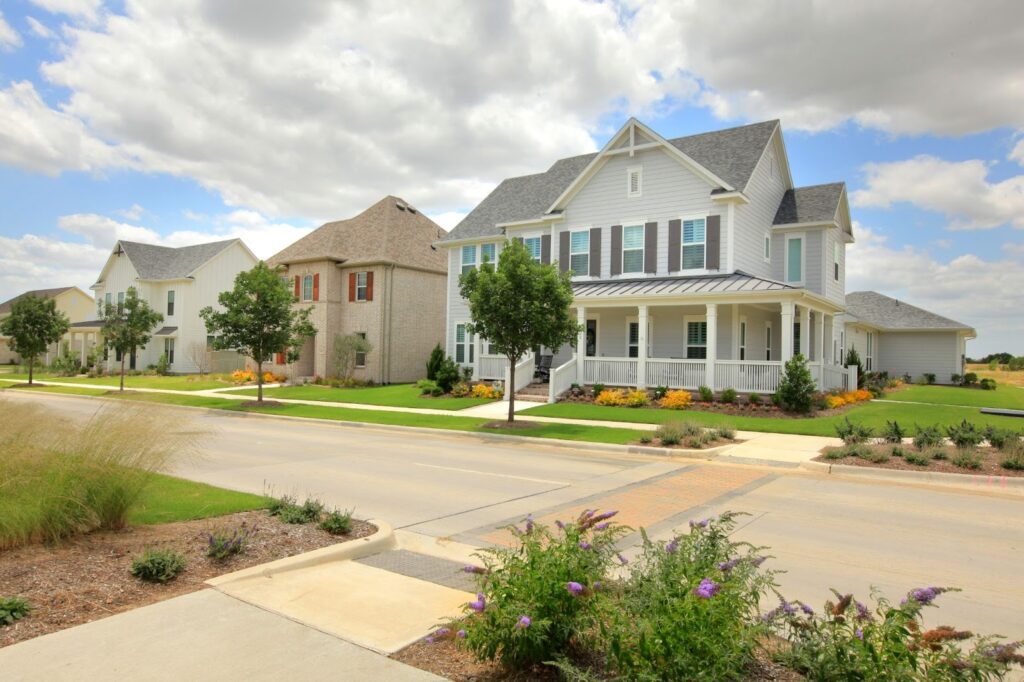
Exploring the cost of building a house in Texas means looking beyond a single price tag. The total investment is a sum of several parts, including the price of the lot, labor and material costs, architectural plans, and permitting fees. The process can offer incredible rewards, but it’s important to understand what’s involved.
The “building house vs buying” choice ultimately comes down to what you value most.
Buying an existing home offers the convenience of a quick move-in, but building allows you to select the features and finishes you’ve always wanted.
If you need to move soon, buying is the faster path. Building is a longer-term project that requires more of your time and attention throughout the process.
With an existing home, the neighborhood is already defined. When you choose to build, you have more control over where you live, but finding the right piece of land can be a challenge in itself.
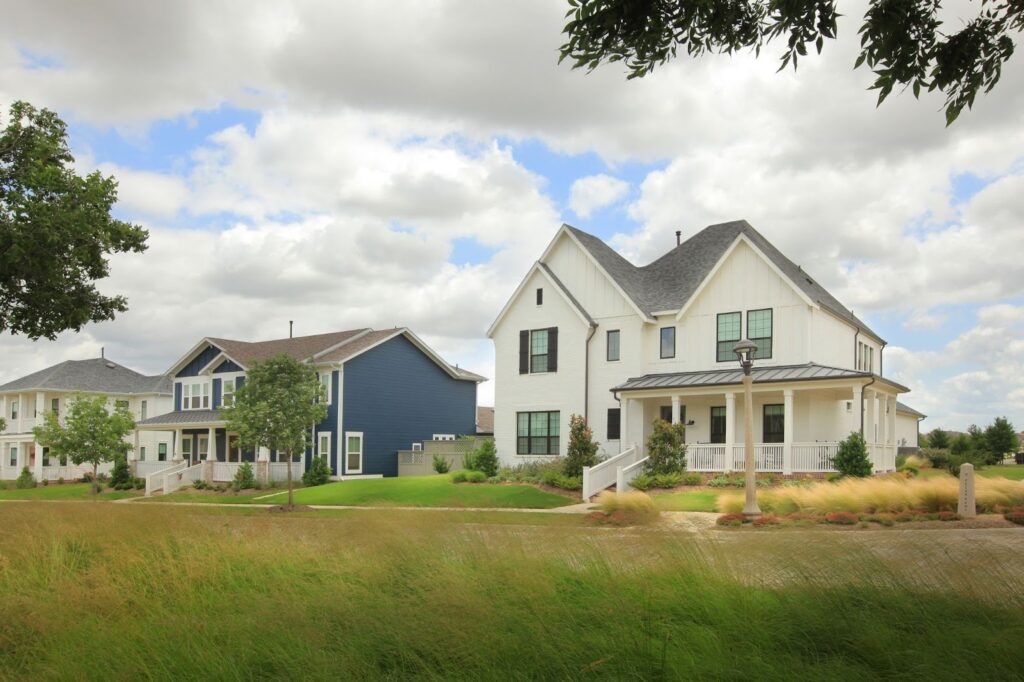
What if you could have the best of both worlds? For many homebuyers, the perfect solution in the “building a home vs. buying” debate is purchasing a new construction home within a planned community. This popular option offers the benefits of a brand-new home without the complexities of starting entirely from scratch.
Some buyers worry that planned communities lack variety or that homeowner’s associations (HOAs) are too restrictive. However, modern communities are designed to avoid this.
At Hillwood communities like Ramble by Hillwood, we partner with multiple builders and have architectural standards that prevent the same home design and exterior from being built next to or across from each other, creating a beautiful and varied streetscape.
And while an HOA does have rules and fees, most residents see them as a huge positive, as they protect property values and maintain all the wonderful amenities and landscaping that make the community special.
Is it cheaper to build or buy a house in Texas?
It varies based on the market, location, and level of finishes. While an existing home may have a lower initial price, a new build in a planned community can offer long-term savings and value through modern efficiency and amenities.
How much does it cost to buy a house in Texas?
Prices depend heavily on the city and neighborhood. Working with a real estate agent is the best way to understand current market values in your desired area.
What does it cost to build a house in Texas?
The cost includes the lot, labor, materials, and fees. In a planned community, these costs are bundled into a single, predictable price by your chosen builder.
What are the pros of building a house?
You get a home tailored to your tastes, with modern energy efficiency and the peace of mind that comes with everything being new.
What are the pros of buying a home?
The primary benefits are a faster move-in timeline and the charm of an established neighborhood.
How do I decide between building and buying?
Consider your priorities. If an established location and a quick move are most important, buying may be right. (A quick move is possible with a new construction home: many builders in new home communities offer move-in-ready homes for sale as well.) If you value personalization, modern features, and a built-in community lifestyle, exploring a new home in a planned community is your best bet.

At Ramble by Hillwood, we believe you shouldn’t have to choose between a home you love and a life you love. As a new home community in Celina, Texas, we offer a third, better option. Here, you can work with the region’s most trusted homebuilders to select a modern home design that fits your family perfectly.
Life here moves at the pace of happy… nice and slow. Our community is taking shape within a park, with nearly 220 acres of green spaces, 30 miles of trails, and a stunning National Parks-inspired amenity center on the way. It’s the brand-new home you’ve dreamed of, set in a place that restores balance and connects you to nature and your neighbors.
Ready to find your place of happy? New homes are coming in 2026. Join the interest list today to be the first to receive updates on our builders, home designs, and opening dates.